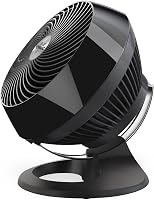
How Do You Clean a Floor Fan?
To clean a floor fan, unplug it, brush dust from the grille, and wipe accessible blades and surfaces. Check the manual before removing parts or using liquid.
On this page (13 sections)
- How do you clean a floor fan safely?
- What tools help clean a floor fan?
- How do you clean a floor fan without taking it apart?
- How do you clean floor fan blades?
- How do you clean dust from the rear grille and motor area?
- How should you clean a high-velocity floor fan?
- How should you clean and dry the fan housing?
- How do you put a floor fan back together?
- What common floor fan cleaning mistakes should you avoid?
- How often should you clean a floor fan?
- What should you do if the fan is still dirty or noisy?
- Which floor fan suits your cleaning routine?
- How to clean a floor fan: the quick decision
To clean a floor fan, unplug it, brush dust from the grille, and wipe reachable blades and surfaces. Keep liquid away from the motor, controls, cord, and plug, and check the manual before removing a guard.
Dust collects on both sides of the grille, around the blade hub, and on the housing. A careful routine removes it without bending the guard or pushing debris toward the motor.
How do you clean a floor fan safely?
Unplug the fan and wait until the blades stop before cleaning. Check the manual for instructions on removing the grille, cleaning the blades, and putting the fan back together.
Move it to a dry, well-lit spot with room to set down loose parts. Keep the cord and plug away from damp cloths, and don't pull or carry the fan by its cord.
Gather a soft cloth, a soft brush, and a vacuum with a brush attachment. Start with dry tools for loose dust, and use liquid only where the manual allows it.
Never spray cleaner through the grille or into the motor area. Don't use a hose or immerse a fan part unless its manufacturer specifically permits that method.
What tools help clean a floor fan?
A soft brush, dry microfiber cloth, and vacuum brush attachment handle routine dust. Choose tools that won't scratch the housing or press hard against the grille.
A small brush reaches narrow grille gaps and the area around the hub. Keep the vacuum nozzle outside the guard and use gentle suction so the blades don't spin.
A fan that's easy to move can be simpler to position for cleaning. The Lasko Wind Machine has a carry handle and pivoting head, which help you move and angle it while unplugged.
Keep brushes, cloths, and vacuum attachments away from the motor and wiring. Don't poke tools through the guard to scrape at dust you can't reach.
How do you clean a floor fan without taking it apart?
Brush and vacuum the outer grille, then wipe the housing with a dry or slightly damp cloth. This routine removes reachable dust without opening the fan.
- Unplug the fan and place it on a stable surface.
- Brush loose dust from the front and rear grille.
- Vacuum the grille gently with a brush attachment.
- Wipe the housing and controls, keeping the cloth away from openings.
- Let any damp surfaces dry completely before reconnecting the fan.
Work from the top down so dust doesn't settle on areas you've already cleaned. Don't force a brush through a grille gap or spin the blades with the vacuum.
This approach suits routine upkeep, but it won't reach dust on blade surfaces behind the guard. For a tower fan designed for cleaning without disassembly, see how to clean a tower fan without taking it apart.
How do you clean floor fan blades?
Remove the grille only if the manual explains how, then wipe each blade gently without bending it. Keep the motor, shaft, and electrical parts dry.
Before removing fasteners, take a photo if it will help you remember how the guard fits. Put screws in a small container, and don't force a grille that doesn't release as described.
Wipe each blade from the hub toward its outer edge, supporting it lightly. A soft brush can lift dry dust from tight spots; follow the manual if the blades can be removed.
Avoid sharp tools, abrasive pads, and heavy pressure. A bent blade or misaligned guard can affect how the fan runs.
How to clean a floor fan with water or cleaner
Use water or cleaner only if the manual allows it, and put it on a cloth instead of spraying the fan. Keep moisture off the motor, shaft, controls, cord, and plug.
If a blade is removable and washable, clean it separately and dry it fully. Don't reinstall it damp, and don't reconnect the fan until every part is dry and the guard is secure.
How do you clean dust from the rear grille and motor area?
Brush or vacuum the rear grille gently without reaching into the motor housing. Dust can build up behind the fan as well as across the front.
Keep the vacuum outside the grille and move it slowly over the surface. If dust is packed behind the guard, check the manual for safe access rather than poking through the openings.
Don't open the motor housing to clean it. If the fan smells burnt, makes an unusual noise, or has a damaged cord or plug, stop using it and contact the manufacturer or a qualified repair service.
How should you clean a high-velocity floor fan?
Unplug it, remove loose dust gently, and follow the manual before opening the guard. Metal construction doesn't make a fan safe to wash or spray.
The Amazon Basics 20-inch High Velocity Floor Fan has a metal housing, aluminum blades, three speeds, and an adjustable tilt head. Set it upright and stable before brushing its outer grille.
Use a dry cloth for dust, or a slightly damp cloth on approved outer surfaces. Keep moisture away from openings, controls, the plug, and the cord.
The BLACK+DECKER 15.6-inch High Velocity Floor Fan has a tilt-adjustable head and rear speed control. Its plastic housing can be wiped with a soft cloth and dusted with a gentle brush.
Don't assume the same disassembly steps work across brands or models. Find your fan's manual before removing a grille or blade.
How should you clean and dry the fan housing?
Wipe the housing and controls with a soft cloth, then let them dry before plugging in the fan. Keep the cloth damp rather than wet, and stay clear of openings.
Dust gathers around knobs, buttons, handles, and the base. Use a dry brush around seams instead of pushing a cloth into them.
To reach the back, turn or reposition the unplugged fan by its housing or handle if it has one. Don't pull it by the cord.
How do you put a floor fan back together?
Reinstall parts in the order shown by the manual, and make sure the grille is secure before use. Check that no screws are left over and that the guard sits straight.
Look for a loose grille or a blade that sits crooked. Keep fingers clear of sharp edges, and don't force a part into place.
Once the fan is fully dry and assembled, plug it in and try a low speed. Switch it off and unplug it if it vibrates, scrapes, or sounds different from normal.
What common floor fan cleaning mistakes should you avoid?
The most common mistakes are cleaning while plugged in, spraying through the grille, and forcing parts apart. These can expose electrical parts to moisture or damage the guard and blades.
Avoid spinning the blades with a vacuum nozzle. That can make the blades turn quickly and may strain the fan.
Don't use abrasive pads or sharp tools to remove stuck dust. A soft brush and patient passes are safer for the grille and blade surfaces.
Don't reconnect the fan while it is damp or partly assembled. If a cleaning step isn't covered by the manual, stop and ask the manufacturer for guidance.
How often should you clean a floor fan?
Clean the fan when you see dust on the grille or blades, or notice less airflow. Fans in dusty rooms or homes with pets may need attention more often.
A quick grille dusting between deeper cleanings can keep buildup manageable. Always unplug the fan first, and follow the manual if it gives a schedule.
If airflow remains poor after cleaning, the fan's placement or size may not suit the room. Compare floor fans for home cooling and learn what size fan you need for your room.
What should you do if the fan is still dirty or noisy?
If dust is trapped where the manual doesn't allow access, stop and contact the manufacturer for advice. Don't take apart electrical components or force a stuck grille.
A rattle after cleaning may come from a loose guard, a misplaced blade, or debris touching a moving part. Unplug the fan and inspect only the parts the manual says you can adjust.
Cleaning won't fix every airflow problem. For help aiming a fan around a room, see how to cool a room with a fan, or compare tower fans and floor fans.
Which floor fan suits your cleaning routine?
Choose a fan you can position and clean safely with the space and tools you have. A carry handle helps if you move the fan to a work area, while a tilt head can help you reach its grille more comfortably.
The Lasko Wind Machine suits someone who wants a portable 20-inch fan with a carry handle and pivoting head. The Amazon Basics model suits a buyer looking for metal housing and aluminum blades, while the BLACK+DECKER is a smaller, lighter option with a tilt-adjustable head.
Skip any model if its size, weight, or cleaning access doesn't fit where you'll use it. Before buying, check that you can reach both sides of the grille and have room to set down parts if the manual allows disassembly.
For a fan that moves air around a room, placement matters as much as cleaning. Compare oscillating fan designs before choosing a different style.
How to clean a floor fan: the quick decision
For routine dust, unplug the fan and brush the grille; for dust on the blades, follow the manual before opening the guard. Use water only on parts the manual says can be washed, and dry everything fully before reconnecting it.
If you want a fan that's easier to move for cleaning, consider the Lasko's carry handle. Choose based on the room and cleaning access you need, then use the manual for model-specific care.
Frequently asked questions
How often should you clean a floor fan?
Clean a floor fan when dust is visible on the grille or blades, or when airflow seems reduced. Dust builds faster in rooms with pets, open windows, or frequent fan use, so check it regularly.
Unplug the fan first, and follow the manual if it gives a cleaning schedule.
Can you clean a floor fan without taking it apart?
Yes. You can brush or vacuum loose dust from the outside of the grille and wipe reachable surfaces without removing the guard.
If dust remains on the blades, check the manual for safe access.
Don't push tools through the grille or force it open.
Can you wash floor fan blades with water?
Only wash removed blades if the fan manual permits it. Keep water away from the motor, controls, plug, and cord, and dry the blades fully before reassembly.
Don't spray or pour cleaner into an assembled fan.
Why is my floor fan still dusty after cleaning?
Dust often remains on the rear grille, blade edges, hub, or narrow gaps around the guard. Unplug the fan and inspect those places with a light, then use a soft brush or cloth where reachable.
If you need more access, follow the manual before removing parts.