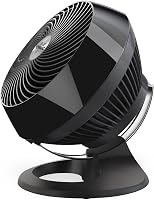
What Is an Oscillating Fan and How Does It Work?
An oscillating fan sweeps its head from side to side to send moving air toward different parts of a room. If you’re asking what an oscillating fan is, the key difference is its moving airflow, not colder air.
On this page (8 sections)
- What is an oscillating fan, and how does it work?
- What does oscillation change about airflow?
- How do you choose an oscillating fan?
- Where should you set up an oscillating fan?
- Does oscillation make a fan cooler?
- How do you clean and care for an oscillating fan?
- What mistakes should you avoid with an oscillating fan?
- Which oscillating fan should you choose?
An oscillating fan sweeps its head from side to side to send moving air toward different parts of a room. If you’re asking what an oscillating fan is, the key difference is its moving airflow, not colder air.
The fan can share a breeze across a room or among several people. It won't reduce the room's temperature, so choose it for air movement rather than air conditioning.
What is an oscillating fan, and how does it work?
An oscillating fan has a head or outlet that moves through a repeated arc while its blades push air forward. The motion changes the direction of the breeze over time.
The term describes movement, not a specific shape. Pedestal fans and tower fans can oscillate, as can some compact fans.
Many have a control to start or stop the sweep.
On a pedestal fan, a knob or button may engage the head's movement. A tower fan may move its body or an internal air outlet, depending on its design.
The fan doesn't send one wide sheet of air across the room at once. Instead, its breeze passes across different spots as it moves.
What does oscillation change about airflow?
Oscillation spreads airflow across more directions over time. It can help when people sit in different places or when a constant breeze at one point feels too strong.
With oscillation off, the fan keeps air pointed in one direction. With oscillation on, each spot gets the breeze during part of the sweep, then the fan moves on.
That wider coverage can make one fan useful in a shared seating area. For room-cooling approaches and placement ideas, see how to cool a room with a fan and which way a fan should face to cool a room.
Should you use an oscillating fan in a bedroom?
Use oscillation in a bedroom when you want the breeze to reach more than one part of the room. Turn it off when you prefer steady airflow pointed toward the bed or a chair.
A fan with adjustable height and tilt gives you more ways to aim the breeze. The DREO Whole Room Standing Fan has 90° horizontal oscillation, a 105° pivoting head, and an adjustable height range of 38–42 in.
If you're comparing pedestal, tower, and other designs, see room fan types for cooling.
How do you choose an oscillating fan?
Choose a fan by matching its sweep, adjustability, controls, and sound features to the room and your routine. A large sweep isn't automatically useful if the fan can't be placed where the breeze needs to go.
Start with the area you want to cover. A smaller seating area may need a narrower arc, while a shared room can benefit from a wider sweep.
Measure the available floor space to see whether a pedestal height or a tower shape fits better.
Next, decide whether you need a fixed breeze as well as oscillation. A stationary mode is useful for one chair or desk, while adjustable height or tilt can help aim airflow at a bed or seating area.
Think about controls and overnight use. A remote can save you a trip across the room, and a timer can stop the fan after a chosen period.
Compare the stated sound level and speed range if fan noise matters to you, rather than relying on a broad “quiet” label.
Finally, consider cleaning access. A fan with removable grille parts may be easier to dust, but check which parts can be removed and how the manual says to care for them.
What oscillating fan sweep suits your room?
Pick a sweep that covers the people and spaces you want to reach, without directing airflow where it won't help. A narrow arc keeps movement within a smaller zone; a wide arc reaches more positions.
The Lasko Whirlwind Orbital DC Pedestal Fan offers horizontal settings of 60°, 100°, and 150°, plus 105° of vertical oscillation. Its three height choices are 21, 30, and 39 in, which can help it fit different room positions.
If you only need airflow at one chair, a broad sweep may be unnecessary. The fan size guide can help you think through room dimensions and placement.
Is a stationary mode useful?
A stationary mode is useful when you want a steady breeze aimed at one location. Choose a fan with this option if you expect to switch between shared airflow and targeted airflow.
The Rowenta VU5550 Turbo Silence Standing Fan can oscillate or stay stationary. Its head pivots up to 90° in all directions, and its height adjusts from 42 to 54 in.
Where should you set up an oscillating fan?
Place the fan where its sweep can reach the people or areas you want to cool. Keep its path clear of walls, furniture, curtains, and other objects that block airflow.
In a bedroom, aim the sweep so the breeze crosses the bed without forcing strong airflow onto your face all night. In a shared room, a spot between seating areas can help the fan reach more than one person.
Keep the fan on a stable surface and follow the manual's clearance and safety instructions. Route the cord where it won't create a trip hazard.
A fan works best when its movement has room to do its job. If the grille faces a wall or the sweep is blocked by a sofa, the fan may move air without reaching the intended area.
Does oscillation make a fan cooler?
Oscillation changes where moving air goes; it doesn't lower the air temperature. A breeze can help carry heat and moisture away from your skin, which can make you feel cooler.
Because the fan sweeps past you, the airflow may feel less constant than a fixed fan. Turn oscillation off or choose a model with a stationary mode if you want a steady stream of air.
For more ideas, read how to make a fan blow colder air. A fan moves air; it doesn't work as an air conditioner.
How do you clean and care for an oscillating fan?
Unplug the fan before cleaning, then follow its manual for safe care. Dust the grille and any parts the manual says you can reach or remove.
Use a soft cloth or brush where allowed, and keep water away from the motor and controls. Don't force the head or grille while cleaning, since that can damage parts.
The DREO fan has removable blade and grille parts for cleaning. For more care steps, see how to clean a floor fan.
What mistakes should you avoid with an oscillating fan?
The most common mistakes are poor placement, choosing a sweep that doesn't fit the room, and expecting the fan to lower the room temperature. A little planning helps you get airflow where you want it.
- Don't place the fan where furniture or curtains block its sweep.
- Don't assume a wider arc is better if you need a focused breeze.
- Don't point a strong, constant stream at your face if it feels uncomfortable; adjust the angle or turn on oscillation.
- Don't clean the fan while it's plugged in, or let water reach its motor or controls.
- Don't use a fan as a substitute for air conditioning when you need the room itself to become cooler.
Which oscillating fan should you choose?
Choose the DREO for adjustable height and a pivoting head, the Lasko for several sweep options, or the Rowenta for switching between oscillating and stationary airflow. Skip an oscillating model if you only need a fixed breeze and don't expect to use its sweep.
The DREO suits bedrooms and living areas where you want to direct airflow at different heights. The Lasko fits rooms where you want to change both the horizontal sweep and vertical movement.
The Rowenta is a clear fit when you want a stationary setting as well as oscillation.
If you're choosing between fan designs, compare tower fans and oscillating fans, then browse oscillating tower fans if that form suits your space.
Frequently asked questions
What does oscillating mean on a fan?
Oscillating means the fan head or outlet moves through a repeated side-to-side arc while the blades run. The breeze reaches different positions as the fan sweeps, rather than staying aimed in one direction.
Switch oscillation off when you want steady airflow toward a desk, chair, or bed.
Does an oscillating fan cool a whole room?
An oscillating fan spreads moving air across a wider area, but it doesn't lower the room's air temperature. Moving air can help carry heat and moisture away from your skin, which is why a breeze can feel cooler.
Placement, room layout, and airflow affect which parts of a room feel the breeze.
Is an oscillating fan better than a stationary fan?
An oscillating fan suits shared spaces where people sit in different places, while a stationary fan keeps air aimed at one spot. Some models offer both modes, so you can choose based on the room and your routine.
Check whether the fan lets you switch its sweep off.
Can you leave a fan oscillating all night?
You can use an oscillating fan overnight if its airflow and placement are comfortable for you. Aim the sweep so it doesn't blow strongly at your face, and use a timer if you want the fan to stop after a set period.
Follow the manual's placement and operating directions.