Tower Fan vs Floor Fan: Which Cools Better? (October 2026)
A floor fan offers more stated airflow, while a tower fan sweeps a breeze from side to side. For tower fan vs floor fan, choose a floor fan for directed airflow and a tower fan for a slim shape and remote controls.
On this page (7 sections)
A floor fan offers more stated airflow, while a tower fan sweeps a breeze across an area. In a tower fan vs floor fan comparison, choose based on the airflow pattern, controls and space you have available.
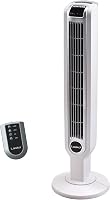
The Lasko Wind Machine 3301 has stated airflow of 2000 CFM and a pivoting head. The Lasko T42951 has stated airflow of 262 CFM and oscillates through 60 degrees, so they serve different needs and placements.
A fan moves air across your skin, which can make you feel cooler, but it doesn't lower the room's temperature. For context on the main fan styles, see our plain guide to room fans for cooling.


Tower fan vs floor fan: which cools better?
The Wind Machine has higher stated airflow capacity, while the tower fan spreads its breeze through oscillation. Neither shape is automatically best for every room because distance, furniture and where you sit affect the airflow you feel.
The Wind Machine's stated airflow is 2000 CFM, compared with 262 CFM for the T42951. CFM describes airflow volume, so the difference is useful when comparing these models, but it doesn't predict exactly how cool you will feel in every position.
The Wind Machine's 20-inch blade and pivoting head let you direct the breeze toward a person or area. The T42951 is 42.5 inches tall and moves its breeze from side to side through a 60-degree arc.
Think about the job before you compare shapes. A floor fan is a strong fit when you want a noticeable stream aimed at one place, while a tower fan suits a seat or bed where you want a moving breeze and a narrower footprint.
What does each fan style do best?
A tower fan is suited to compact placement and side-to-side airflow; a floor fan is suited to a breeze you can point. Choose the style that fits your room and routine rather than expecting either to cool the room like an air conditioner.
A tower fan places its air outlet in a tall, narrow body. The T42951 can stand beside a bed, chair or desk and oscillate while you work or rest.
A floor fan usually has a wider body and an adjustable head. The Wind Machine's head pivots through 360 degrees, letting you aim air toward a person, a warm corner or a circulation path.
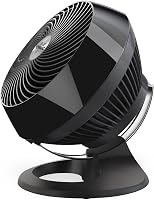
The Vornado 660 is a useful third choice if you want a compact fan that tilts. Its 90-degree adjustment and stated airflow of 584 CFM put it between the two Lasko options in this comparison.
Who should choose a tower fan?
Choose a tower fan if you have a narrow space near a seat and want oscillation, a remote and a timer. The T42951's remote handles power, speed, oscillation, timer and nighttime mode, so you can change settings from across the room.
Nighttime mode lowers fan speed and dims the LED controls. That combination suits people who prefer fewer bright lights and a gentler setting while trying to sleep.
Skip this style if you need a strong, directed breeze across a larger open area or want to aim the fan head precisely. A tall profile also needs enough clearance to oscillate without touching curtains or furniture.
Who should choose a floor fan?
Choose a floor fan if you need to point airflow at a specific spot or move it between rooms. The Wind Machine has a carry handle, three speeds and arrives assembled, making it practical for a garage, workshop or open living area.
The wider body takes more visible floor space than a slim tower. Skip it if a narrow spot beside a bed or desk is your main requirement, or if you need to change settings from a distance.
If you want a dedicated floor-fan comparison, see our guide to floor fans for home cooling. For strong airflow in a garage, our guide to garage shop fans covers fans aimed at that setting.
How should you choose for your room?
Choose based on the place you need the breeze to reach, the room's open space and how often you will move the fan. A compact fan that can sit close to your usual seat may serve you better than a larger fan pointed from across the room.
Measure the space where the fan will stand, including clearance around its base and the path of its airflow. The T42951 measures 13 x 13 x 42.5 inches, while the Wind Machine measures 23.8 x 7.1 x 25.1 inches.
The T42951 weighs 10.6 pounds and has a carry handle. The Wind Machine weighs 6.5 pounds and also has a handle, so it is easier to move between rooms if you use it in different places during the day.
For help matching airflow to your room, use our room fan size guide. Consider doorways, furniture and where people sit when deciding whether you need directed airflow or a breeze that sweeps across a seat.
When is an air circulator a better fit?
Choose an air circulator if you want adjustable tilt in a compact body. The Vornado 660 has four speeds and a 90-degree tilt adjustment, so you can aim airflow upward or across the room.
At 15 inches high, it can fit on the floor, shelf or desk where its airflow path is clear. It offers a middle ground when a tall tower or a larger floor fan does not fit your available space.
How do the controls and setup compare?
The tower is easier to adjust from your seat, while both floor models make direction or speed adjustments at the fan. Choose remote control if the fan will sit beside a bed or desk and you want to avoid getting up to change settings.
The T42951 remote controls power, three speeds, oscillation, timer and nighttime mode. Its 7.5-hour timer lets you set a run time, and its base needs simple assembly before use.
The Wind Machine has three speeds and manual controls. It arrives assembled, so you can set it in place and angle its head toward the area you want to cool.
The Vornado 660 uses push-button controls on top and offers four speeds. Its tilt adjustment lets you redirect air without repositioning the whole fan.
Before turning any fan on, place it on a stable, level surface and keep its intake and outlet clear. Plug it in where the cord can reach without crossing a busy walkway, and follow the included guide for model-specific setup and care.
How can placement make a fan more useful?
Point the airflow toward the people or areas that need it, and leave a clear path in front of the fan. A fan aimed at a wall or blocked by furniture won't deliver its breeze where you expect.
For the Wind Machine, angle the head toward the person or warm area, then adjust the direction if furniture blocks the airflow. For the tower fan, leave enough space around it to oscillate freely.
A fan can also help move air through a room when you plan its position around an open window or doorway. Our guide to cooling a room with a fan explains practical placement choices, and our fan direction guide covers how to position a fan around windows and doors.
Avoid placing a fan where it blows directly into clutter or where its cord can become a trip hazard. If you use it in a bedroom, check that the airflow reaches the bed without pushing loose curtains into the fan.
What care and common mistakes should you keep in mind?
Keep the fan's air path clear and clean it according to its manual. Dust buildup and blocked airflow can make a fan less useful, while unsafe cleaning can damage its parts.
Turn the fan off and unplug it before cleaning. Wipe exterior surfaces with a soft cloth, and consult the manual before removing grills or opening the housing.
A common mistake is choosing by height or blade size alone. A tall tower may fit a tight corner, but it will not provide the same directed airflow as a pivoting floor fan; a large blade may move a strong breeze but occupy more space.
Another mistake is placing the fan too far from the person who needs airflow. Test the placement by adjusting the angle and position while the fan is on, then settle on a spot with an unobstructed path.
Don't expect a fan to lower the room temperature. Use it to move air where it improves comfort, and consider how windows, doors and air conditioning affect the room's airflow.
For style-specific upkeep, see how to clean a tower fan without disassembly or how to clean a floor fan.
Which fan should you choose?
Pick the Wind Machine for directed airflow, the T42951 for a slim oscillating fan with remote controls, or the Vornado 660 for compact adjustable tilt. That decision rule covers the main trade-off in tower fan vs floor fan: a broad moving breeze or a more focused stream.
Choose the tower when you have limited width beside a bed, desk or chair and value a remote, timer and nighttime mode. Skip it when the fan needs to push a stronger breeze toward a specific spot across an open area.
Choose the floor fan when you can spare the room and want to aim its pivoting head at a person or warm corner. Skip it when a wide body or manual controls would be inconvenient in your space.
Pick the Vornado if neither design quite fits and a compact circulator with tilt adjustment suits your layout. If nighttime sound is a priority, compare options in our quiet tower fan guide; for a larger open area, see fans for large rooms and open floor plans.
Frequently asked questions
Does a tower fan cool better than a floor fan?
The Wind Machine has higher stated airflow at 2000 CFM, while the T42951 oscillates through 60 degrees. The Wind Machine's pivoting head directs airflow, and the tower fan sweeps its breeze across an area.
Choose based on the airflow pattern and placement that suit your room.
Which fan is better for a bedroom?
A tower fan may suit a bedroom where a slim shape, oscillation and remote controls are useful. The Lasko T42951 has nighttime mode that dims its LED controls and lowers fan speed.
If you want directed airflow, consider where a floor fan will fit.
Is a floor fan better for a large room?
A floor fan with higher stated airflow may fit when you want to direct a strong breeze across an open area. The Lasko Wind Machine has 2000 CFM and a pivoting head.
Room shape, obstacles and placement affect where its airflow reaches.
Can a tower fan replace an air circulator?
A tower fan and an air circulator offer different airflow patterns. The T42951 oscillates through 60 degrees, while the Vornado 660 has a 90-degree tilt adjustment to direct airflow.
Choose the pattern that suits your room, and see our guide to tower fans versus oscillating fans for more detail.