Lasko Cyclone vs Wind Machine: Which Lasko to Buy? (October 2026)
Choose a Lasko Cyclone for adjustable height, oscillation and remote control; choose the Wind Machine for portable, directed airflow. The best fit depends on where you want the breeze and whether you'll move the fan often.
On this page (9 sections)
- Lasko Cyclone vs Wind Machine: which fits your room?
- How do the fans direct airflow?
- Which controls are more convenient?
- Is the Wind Machine easier to move?
- Which fan fits a garage or workshop?
- What do airflow capacity and noise figures tell you?
- What care and use habits help these fans?
- What mistakes should you avoid when choosing?
- Which Lasko Cyclone vs Wind Machine should you buy?
For the Lasko Cyclone vs Wind Machine choice, pick the Cyclone for raised, sweeping airflow and the Wind Machine for a portable fan you can aim. That difference matters more than the blade size: decide where the breeze should reach, how it should move and whether you need to carry the fan.
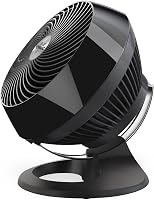
The Wind Machine 3301 sits on the floor, with a 20-inch blade, 3 speeds, a pivoting head and a carry handle. The Cyclone 1843 is a pedestal fan with adjustable height, oscillation, a remote and a 4-hour timer.
Both have useful roles, but they solve different room problems. For a wider overview of fan styles, see our guide to room fans for cooling.
 Best for portable workspaces
Lasko Wind Machine 3301 20-inch Floor Fan

Lasko Cyclone vs Wind Machine: which fits your room?
The Wind Machine suits a spot where you want to aim a low fan; the Cyclone suits a fixed spot where you want to raise and sweep the breeze. Start by identifying where you sit, sleep or work, then check whether the fan can fit there without blocking a walkway.
The Wind Machine is 25.1 inches high, 7.1 inches wide and 23.8 inches deep. Its pivoting head points airflow toward a particular area, while the handle helps you move it between rooms.
The 1843 Cyclone stands up to 54 inches high and has a tilt-back head. Its oscillation moves airflow across a wider area, which can work well in a bedroom or living room where people use different seats.
A pedestal model takes up vertical space and needs a clear patch of floor for its base. The Wind Machine stays low, but its depth may be awkward in a narrow passage.
How does the Lasko Cyclone vs Wind Machine choice change in a small room?
In a small room, choose based on placement and reach: the Cyclone can send air over a bed or chair, while the Wind Machine can target one low seating or work area. Neither is automatically the better fit if furniture leaves little open floor space.
Before you decide, mark out the fan's likely position and check that doors, drawers and walking paths remain clear. A low fan near a walkway can become an obstacle, while a pedestal needs a stable spot where its base won't be bumped.
Our guide to choosing the right fan size for your room can help you consider room layout and where the air needs to go. Fan direction also matters when you're trying to move air across a specific area.
Which Lasko fan suits a bedroom or living room?
Choose the 1843 Cyclone when you want airflow at bed or seat height and a remote for changing settings from across the room. Its adjustable stand and oscillation are practical when people use more than one part of the room.
The Wind Machine can suit a bedroom if you prefer a fixed, directed breeze and can place the fan where its manual controls are easy to reach. It sits low, so it may not send air across a tall bed or sofa as conveniently as a pedestal fan.
Skip either model if its airflow style conflicts with how you use the room. A remote and timer won't help if you need a fan that moves frequently, and portability won't help if you need airflow higher than furniture.
How do the fans direct airflow?
The Cyclone oscillates across an area; the Wind Machine pivots to aim airflow in a chosen direction. Pick a sweeping breeze for shared space, or a steady target for one person or one work area.
The 1843 Cyclone combines oscillation with a tilt-back head. You can adjust the stand and angle the head, then let the fan sweep from side to side.
The Wind Machine's head pivots through 360 degrees. That gives you control over its direction when you want airflow aimed at a person, a warm corner or a spot that needs ventilation.
These features aren't interchangeable. Oscillation changes the fan's direction as it runs, while a pivoting head lets you set the direction yourself.
When is oscillation more useful than a fixed breeze?
Oscillation is useful when people sit in different places or you'd rather not keep one person in a direct stream of air. Both Cyclone models oscillate, so the breeze can move across a larger part of the room.
For one person at a desk or workbench, a fixed breeze may be easier to aim and keep in place. The Wind Machine suits that pattern, although you'll need to reposition it if your target changes.
Our guide to how an oscillating fan works explains when a sweeping breeze may fit better than a fixed direction.
How should you set the fan's direction?
Aim the fan toward the occupied area, then adjust its angle and speed until the airflow is comfortable. For the Wind Machine, point the head at the area you want to reach; for the Cyclone, set the height and tilt before using oscillation.
If you're trying to move warm air out or draw cooler air through a room, place the fan with that path in mind. Our guide to fan direction for cooling a room covers placement choices for common room layouts.
Which controls are more convenient?
The Cyclone is more convenient when you want a remote and timer; the Wind Machine keeps its controls manual. Think about whether you'll be able to reach the controls once the fan is in its regular spot.
The 1843 Cyclone remote handles power, speed and the timer. Its 4-hour timer is useful when you want the fan to switch off after you fall asleep or finish a short period of use.
The Wind Machine uses manual controls, so it needs to be within reach when you want to change speed. That is simple if you keep it beside a chair or workbench, but less convenient if you place it across the room.
The white Cyclone also has a remote and a 4-hour auto-off timer. Its height adjusts from 41 to 53.5 inches, and it offers 90-degree oscillation.
Is the Wind Machine easier to move?
Yes, the Wind Machine is the easier choice for moving a fan between rooms. It weighs 6.5 pounds and has an easy-grip carry handle.
That portability helps if you want airflow in a garage during the day and a different room later. The fan arrives assembled, so you can put it in place without assembling a stand.
The 1843 Cyclone weighs 9.8 pounds and has an adjustable freestanding stand. It makes more sense in a regular location, especially if you want its height and direction set.
If portability and a low profile matter more than raised airflow, compare other floor fans for home cooling. Consider the fan's shape and where you'll store it when it's out of season.
What should you do before running either fan?
Place the fan on a stable, level area with clear space around it, and keep the cord out of the walking path. Set the angle and height before turning it on so you don't need to reach around moving blades.
For the Cyclone, assemble the stand according to its instructions and check that it sits securely before use. For the Wind Machine, use its carry handle to move it while it's off, then set it down before changing the direction of its head.
Start on a lower speed if you're unsure how strong the airflow will feel at your chosen distance. Raise the speed only as needed, and keep the fan's instructions available for setup and care guidance.
Which fan fits a garage or workshop?
The Wind Machine is a good fit for an indoor garage or workshop where you want to move and aim the fan. Its carry handle and pivoting head suit a changing work area.
The Cyclone can work in an indoor workspace if you want airflow raised above a bench and swept across the room. Its stand takes more floor space, so it suits a defined spot better than a work area that changes often.
Both fans are specified for indoor use. Follow the instructions for the fan and use it in an appropriate indoor setting.
Our guide to high-velocity fans and when to use one explains how that style differs from a pedestal fan. For a broader space-focused comparison, see shop fans for a hot garage.
What do airflow capacity and noise figures tell you?
The Wind Machine's stated airflow capacity is 2,000 CFM, while the 1843 Cyclone's is 1,854 CFM. Those figures can help compare the models, but they don't tell you exactly how a breeze will feel from your seat.
The Wind Machine has a stated noise level of 44 dB. The Cyclone's description calls its 3 speeds quiet but gives no noise figure, so there isn't a direct noise comparison to make.
Distance, room shape and fan placement all affect the airflow you notice. A fan aimed at your chair may feel more direct than one placed farther away and oscillating across a wider area.
What care and use habits help these fans?
Keep either fan clean, unplug it before cleaning and follow the model's instructions for access and care. Dust on the grille or blades can build up during regular use, so include the fan in ordinary room cleaning.
Don't force the head or stand beyond its intended movement, and move the fan while it's off. For the pedestal models, keep the base stable and the cord clear; for the Wind Machine, use the handle when carrying it.
Avoid aiming a strong stream at a nearby person for long periods if it feels uncomfortable. Repositioning the fan or lowering its speed can make airflow easier to live with.
What mistakes should you avoid when choosing?
The most common mistake is choosing by blade size alone instead of by airflow direction and placement. A larger blade doesn't solve the problem if you need a remote, raised airflow or a fan that sweeps across several seats.
Don't expect the Wind Machine's pivoting head to oscillate across the room. It directs airflow where you point it, so choose a Cyclone if side-to-side movement is part of the plan.
Don't choose a pedestal fan for a cramped spot without checking its base and height. The Cyclone is useful when you need raised airflow, but its stand needs a stable area that won't block movement.
Finally, don't overvalue a timer or remote if the fan will stay close at hand. Those controls are most useful when the fan is hard to reach or you want it to stop automatically.
Which Lasko Cyclone vs Wind Machine should you buy?
Choose the Wind Machine if you want a lighter fan with a carry handle and pivoting head; choose a Cyclone if you want adjustable height, oscillation and remote control. The white Cyclone is the fit when you want those pedestal features in an off-white finish.
For a garage, workshop or flexible spot, the Wind Machine is easier to reposition and aim. For a bedroom or living room, choose the 1843 Cyclone if you want to raise airflow above furniture and spread it around.
If you're comparing the Wind Machine specifically, read our Lasko Wind Machine 20-inch floor fan review. It covers the 3301's features in more detail.
Frequently asked questions
Is the Lasko Cyclone or Wind Machine better for a bedroom?
The Cyclone is the clearer fit if you want a breeze at bed height, room-wide oscillation and a remote for changing settings from bed. The Wind Machine can work if you prefer a portable floor fan aimed toward the bed, but it sits low and uses manual controls.
Does the Lasko Wind Machine oscillate?
The Wind Machine 3301 has a pivoting head that directs airflow, but its features don't include oscillation. You can aim it where you need air, while the Cyclone pedestal fans spread airflow by oscillating.
Can the Lasko Cyclone fan be adjusted in height?
Yes. The 1843 Cyclone's stand adjusts up to 54 inches, and its head tilts back to direct airflow.
The white Cyclone adjusts from 41 to 53.5 inches, so consider which model fits the space beside your bed, desk or chair.
Which Lasko fan is easier to move between rooms?
The Wind Machine is easier to carry between rooms: it weighs 6.5 pounds and has an easy-grip carry handle. The 1843 Cyclone weighs 9.8 pounds and has a tall stand, so it's better suited to a regular spot than frequent carrying.